Dead Tree Removal in Allentown, PA
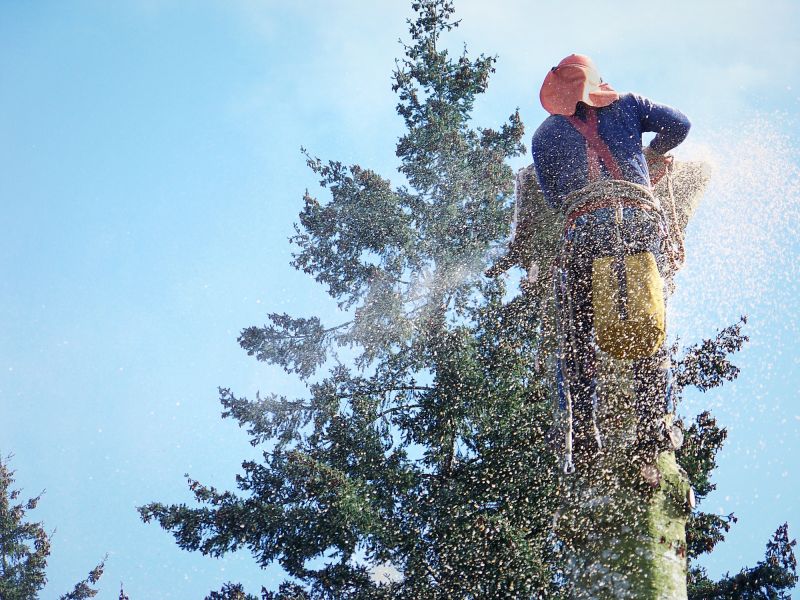
Dead tree removal services involve the safe and efficient removal of trees that have become dead, decayed, or pose a risk to property and safety. These projects typically include identifying hazardous trees, assessing the scope of work, and removing the entire tree, including the trunk and roots if necessary. Homeowners often request this service when dead or dying trees threaten structures, power lines, or other trees, or when they are concerned about falling branches causing damage or injury.
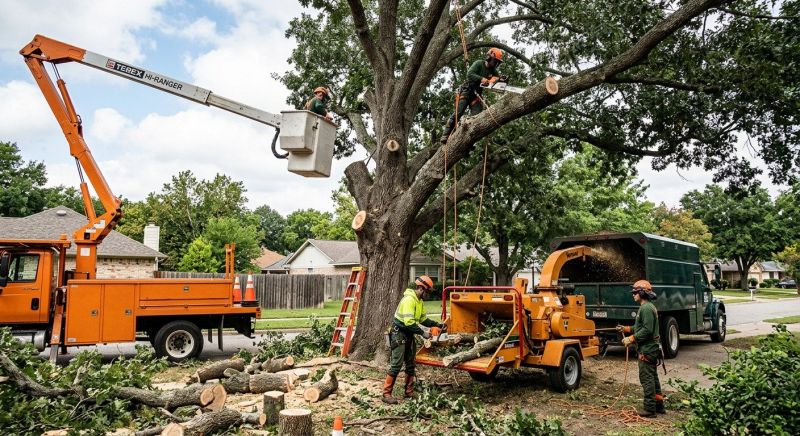
Property owners should consider factors such as the size and location of the tree, accessibility, and potential impact on surrounding landscaping before requesting dead tree removal. It is important to understand that the process may involve cutting the tree into manageable sections, grinding down stumps, and cleaning up debris afterward. Clarifying these details can help ensure the project aligns with safety standards and property needs.
Many property owners in Allentown, PA look into Dead Tree Removal for repairs, replacements, upgrades, and appearance-related improvements.
Reasons For Dead Tree Removal
Dead trees can pose safety risks and may damage nearby structures or landscapes.
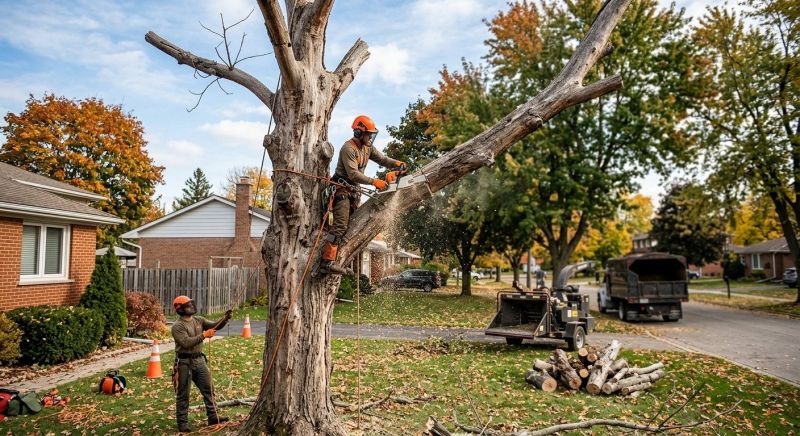
Signs A Tree Needs Removal
Wilting leaves, cracked branches, and visible decay are common indicators of a dead or dying tree.
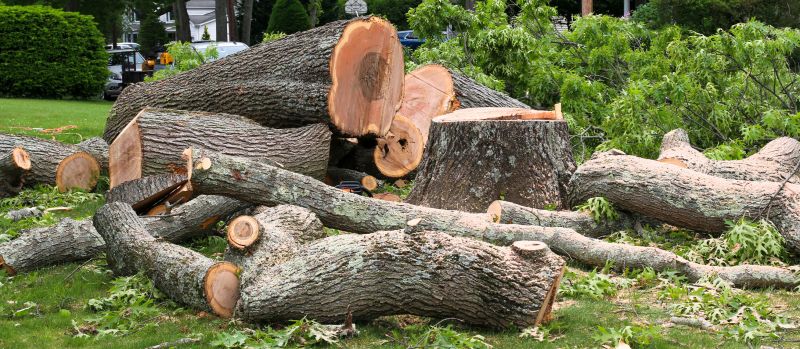
Benefits Of Professional Removal
Expert removal helps prevent property damage and ensures safety for residents and visitors.
Dead Tree Removal in Allentown, PA
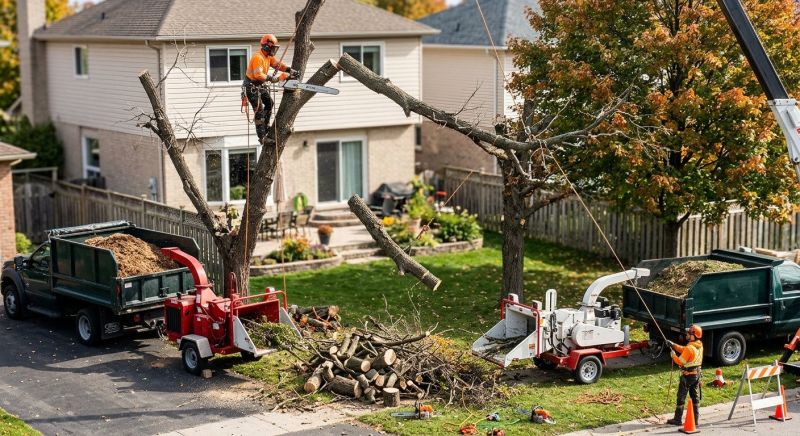
Dead tree removal services involve the safe and efficient removal of trees that have become dead, decayed, or pose a risk to property and safety. These projects typically include identifying hazardous trees, assessing the scope of work, and removing the entire tree, including the trunk and roots if necessary. Homeowners often request this service when dead or dying trees threaten structures, power lines, or other trees, or when they are concerned about falling branches causing damage or injury.
Property owners should consider factors such as the size and location of the tree, accessibility, and potential impact on surrounding landscaping before requesting dead tree removal. It is important to understand that the process may involve cutting the tree into manageable sections, grinding down stumps, and cleaning up debris afterward. Clarifying these details can help ensure the project aligns with safety standards and property needs.
Many property owners in Allentown, PA look into Dead Tree Removal for repairs, replacements, upgrades, and appearance-related improvements.
Common Dead Tree Removal Jobs
Dead Tree Removal - safely removes hazardous or decayed trees to protect property and safety.
Storm Damage Cleanup - clears fallen or broken dead trees after storms to prevent further damage.
Property Maintenance - maintains landscape health by removing dead or dying trees and branches.
Emergency Tree Removal - provides urgent removal of dead trees posing immediate safety risks.
Stump Grinding - eliminates remaining tree stumps after dead tree removal for a clean landscape.
Tree Health Assessment - evaluates dead or diseased trees to determine necessary removal or treatment options.
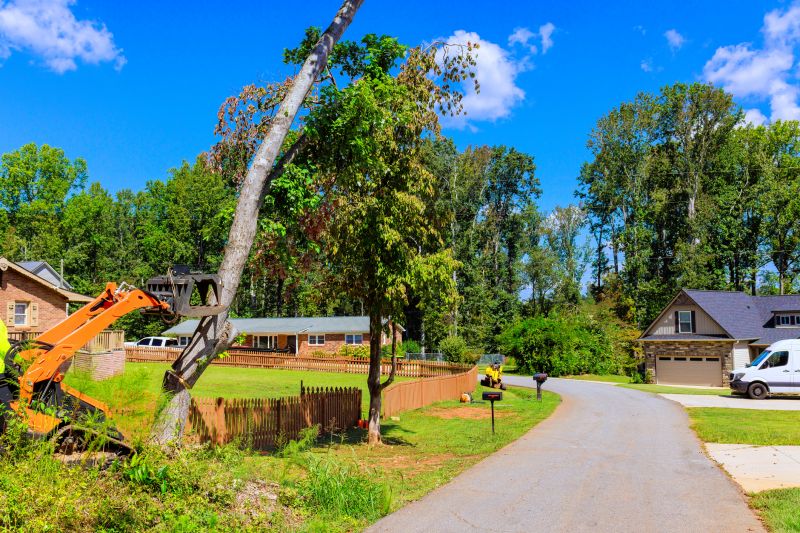
Dead Tree Removal Questions
When is dead tree removal necessary? Dead trees should be removed to prevent potential hazards like falling branches or structural damage to nearby property.
How can I tell if a tree is dead? Signs include lack of leaves during the growing season, brittle or cracked branches, and a lack of new growth.
What are the benefits of removing a dead tree? Removing a dead tree reduces safety risks, prevents damage to other plants or structures, and improves the overall appearance of the landscape.
Is dead tree removal suitable for all types of trees? Most types of dead or dying trees can be removed safely, but the method may vary depending on size and location.
Request Dead Tree Removal in Allentown, PA
Use the quote form on this page to share the basics of your project and request more information for the type of work you need.